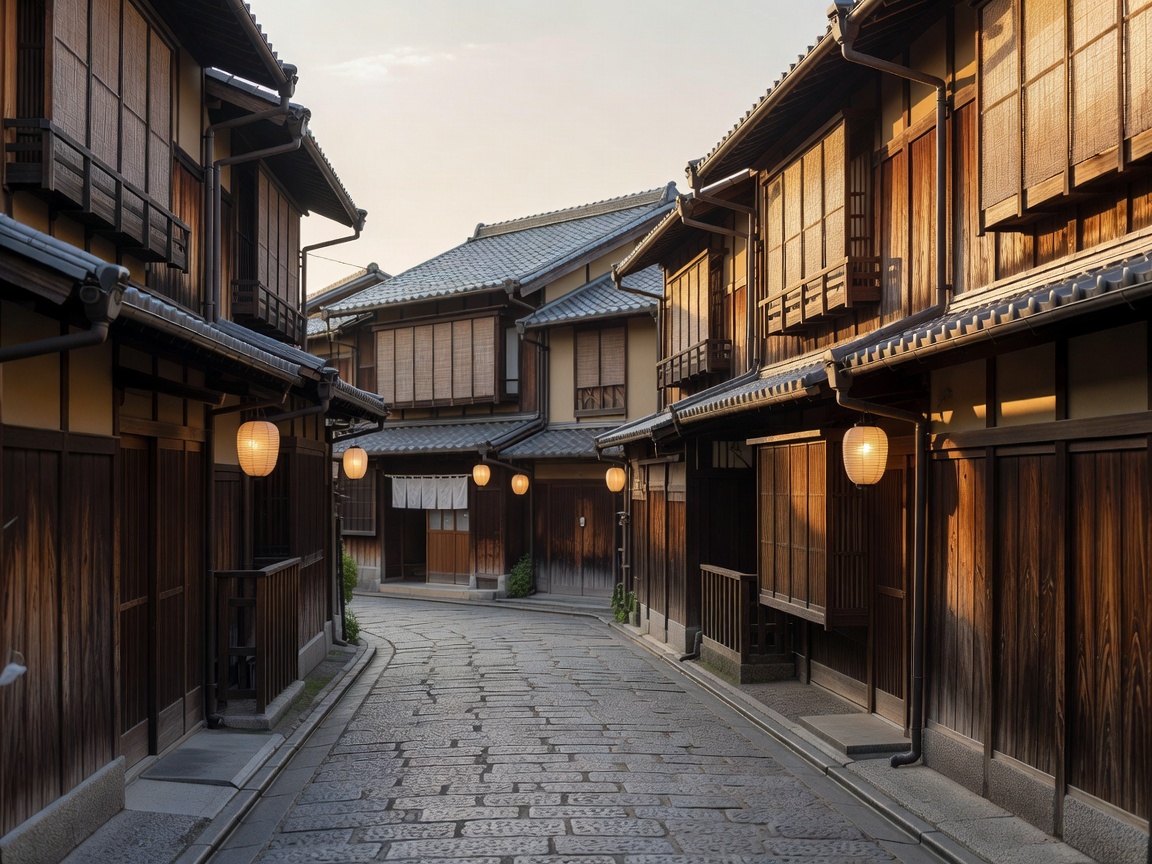
 01
Kyoto hotels
Compare machiya stays, ryokan customs and modern hotels around Gion, Kyoto Station and the northern temple belt.
Read the Kyoto guideField guide / Japan + South Korea
feedflickteamtons.com maps useful places to stay, eat and connect across Japan and South Korea. Start with a city, then compare location, transport, service style and the kind of meal or room the district supports.

Five dispatches
Real places. Clear trade-offs. Check opening hours, booking terms and transport before committing.
01Compare machiya stays, ryokan customs and modern hotels around Gion, Kyoto Station and the northern temple belt.
Read the Kyoto guide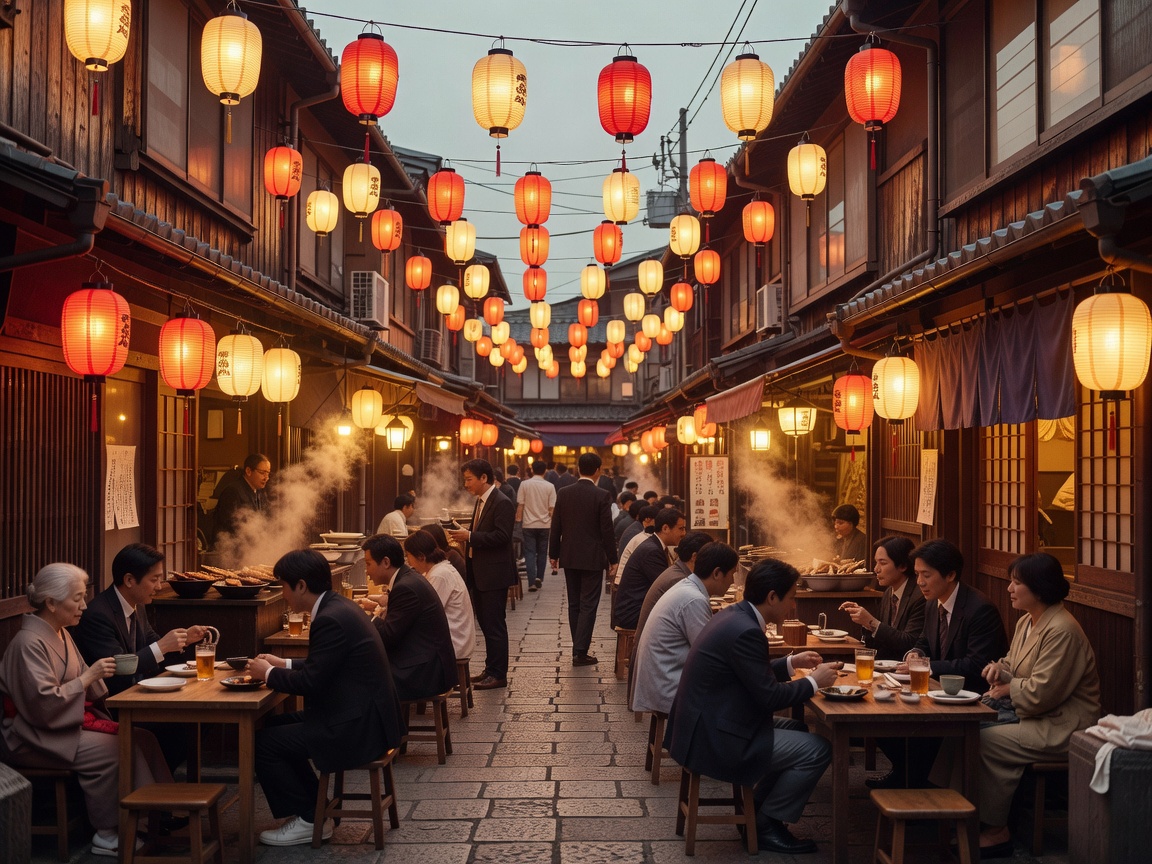 02
Use neighbourhood, meal format and reservation timing to choose between sushi, ramen, izakaya and kaiseki.
Read the Tokyo guide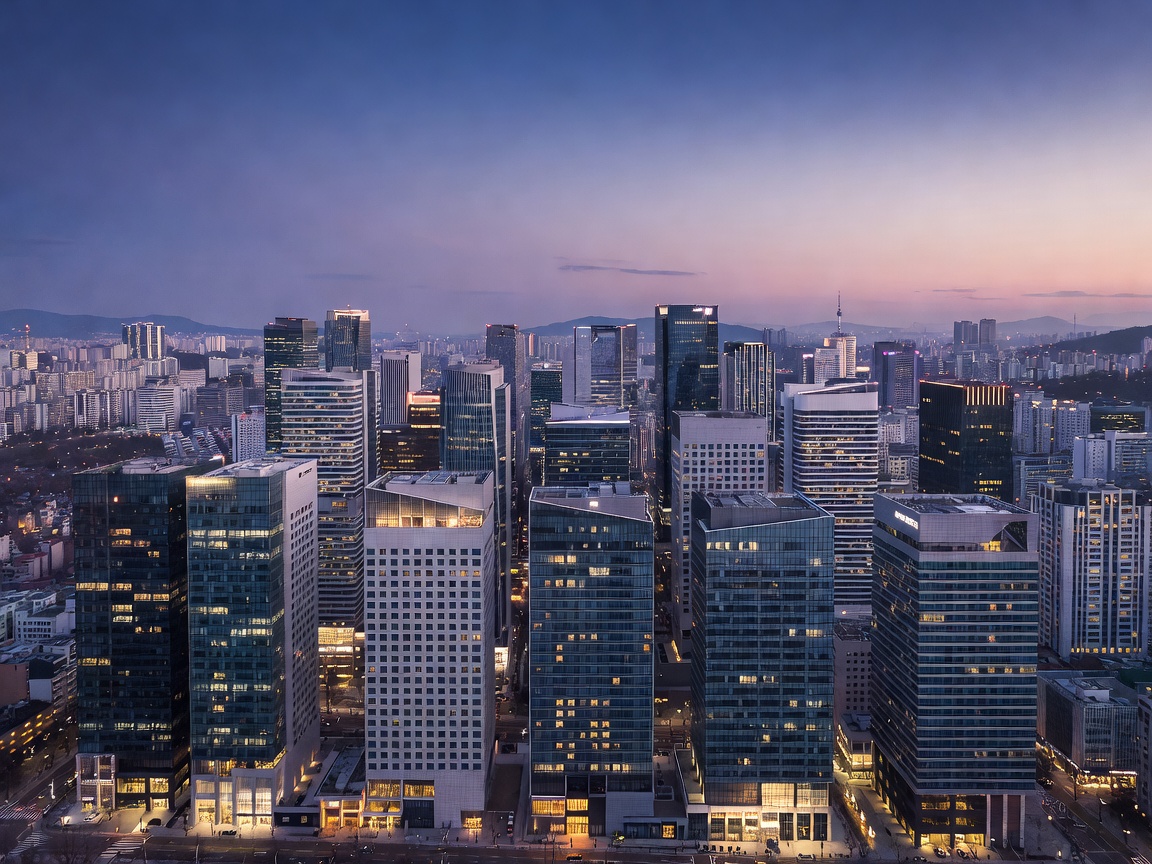 03
Set Myeongdong, Jongno, Gangnam and Hongdae against your transport needs, evening plans and room priorities.
Read the Seoul guide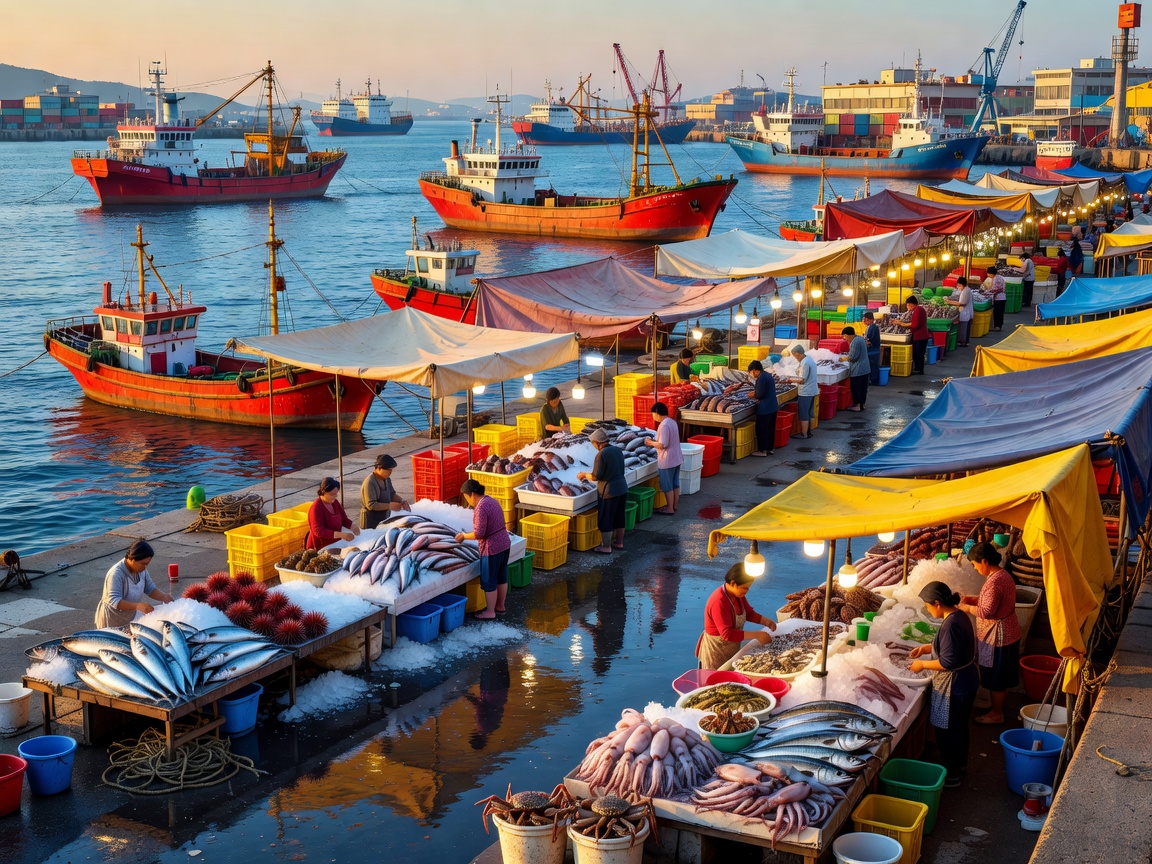 04
Understand Jagalchi, Gwangalli, Seomyeon and Haeundae through seafood, markets and late-night formats.
Read the Busan guide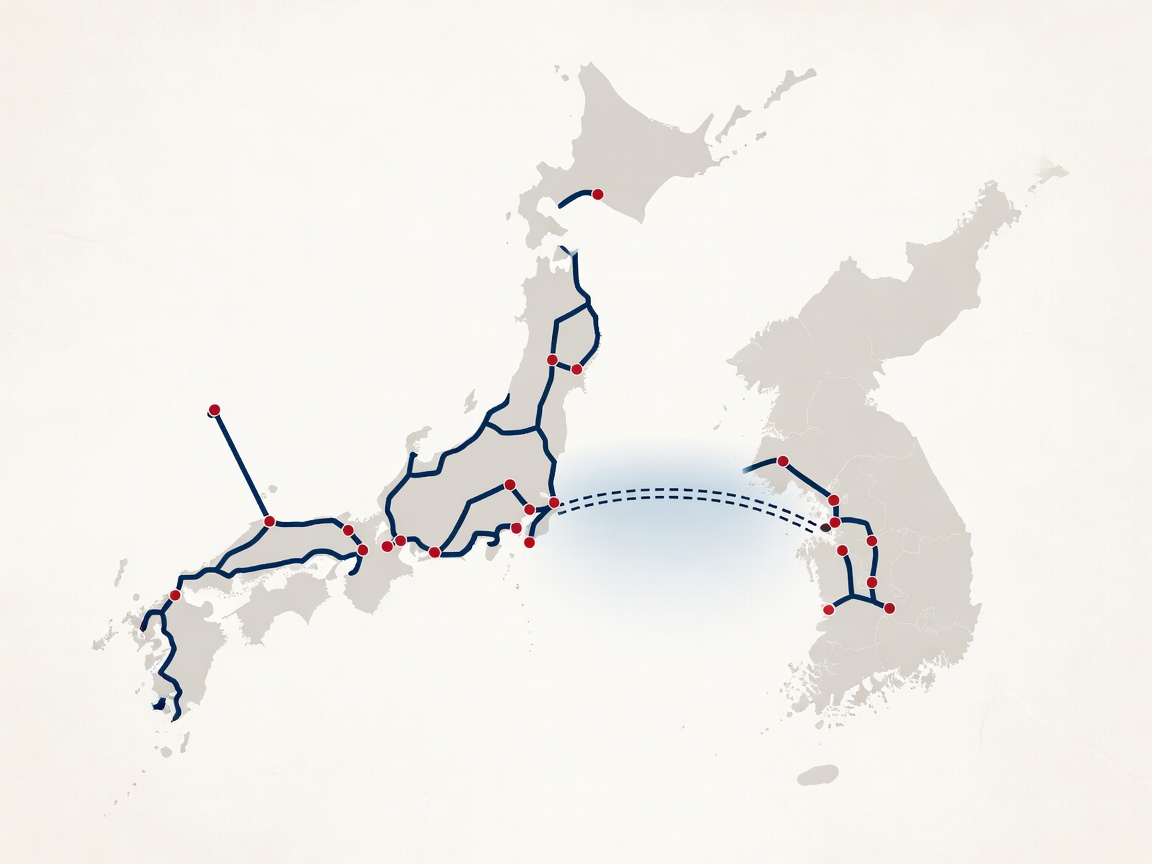 05
Build a Japan–South Korea itinerary around airports, rail passes, ferries, border formalities and recovery time.
Read the route guideA useful baseline
A cheaper room can become an expensive decision if every evening requires a long transfer. Put your main activity within an easy walk or one simple train ride.
Ryokan, business hotel, hanok-style stay and international chain all solve different problems. Compare the room experience, not just the star label.
Reservations, last orders and check-in rules vary. Confirm details with the venue or hotel before travel because live conditions change.