Guide 01 / Kyoto
Where to stay in Kyoto
Kyoto rewards a hotel choice based on neighbourhood rather than reputation. Gion, Kyoto Station, Kawaramachi and the northern temple areas create different mornings, evenings and transfer patterns.
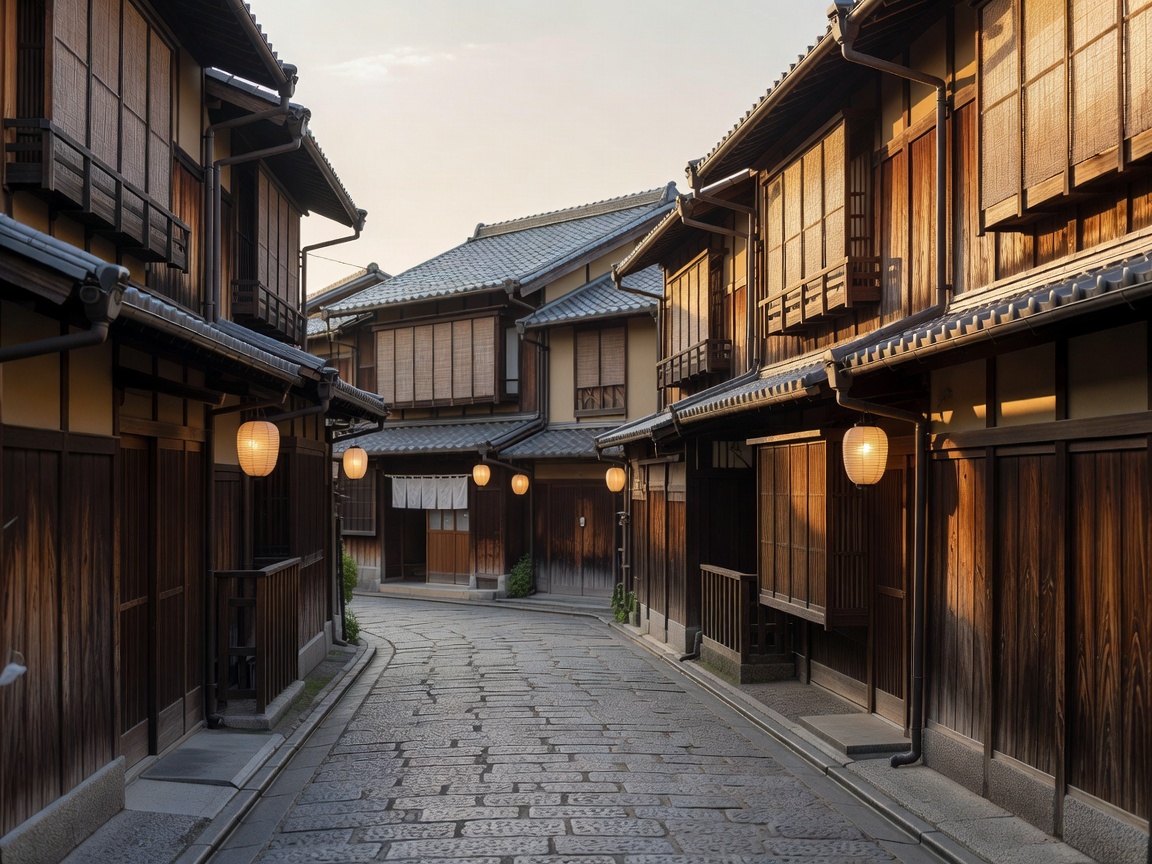
Gion and Higashiyama
Gion and nearby Higashiyama put historic lanes, Yasaka Shrine and the eastern temple route close at hand. The setting suits travellers who want early access to atmospheric streets and who accept that narrow lanes, quiet residential rules and limited car access shape the stay. Room sizes and building access can vary, especially in converted townhouses. Ask about stairs, luggage handling, bath arrangements and quiet hours before booking.
This area is less convenient for a daily cross-city commute than Kyoto Station. It is useful when the trip centres on eastern Kyoto, traditional architecture and evening dining around Gion-Shijo. Check the exact address: a hotel described as being in Gion may still sit a substantial walk from the lane or station you have in mind.
Kyoto Station
Kyoto Station is the practical base for rail-heavy itineraries. Shinkansen services, conventional trains, buses and airport connections converge around the station, though the complex can take time to learn. Hotels here range from large international properties to compact business hotels. The trade-off is straightforward: transport is easier, while the immediate streetscape feels more modern and commercial than Higashiyama.
Choose this district when you plan day trips to Osaka, Nara or Himeji, or when luggage transfers matter. It also makes a late arrival simpler. Look for a clear route from the station exit, because a low room rate loses some value if the final walk is awkward with bags.
Kawaramachi and Shijo
Shijo and Kawaramachi sit closer to shopping streets, Nishiki Market and the Kamo River. This is a flexible choice for dining and central access. The area feels busier and more urban than Gion, with more late activity and a wider range of casual restaurants. It suits travellers who want options after temple visits rather than a single historic setting.
Noise is the main question. Read the room description carefully and request a quieter orientation where possible. The district is also a useful compromise for a short stay: central enough for eastern sights, connected to western routes and close to evening food.
Ryokan or hotel?
A ryokan is an inn with traditions that may include tatami rooms, futon bedding, communal or private bathing and meals served at set times. It is not simply a hotel with Japanese decoration. Some properties expect guests to remove shoes, observe check-in windows or follow bathing etiquette. Confirm what is included and whether dinner is optional before choosing it for convenience.
A contemporary hotel is usually easier for irregular schedules, work equipment and multi-night packing. A ryokan can make sense when the accommodation itself is part of the cultural experience. Neither format is automatically better; match the rules and rhythm to your plans.
How to compare a shortlist
Start with the location pin, then inspect the route to the nearest station or bus stop. Check room dimensions, bed type, bathroom arrangement, luggage storage and cancellation terms. Kyoto’s busiest periods can change availability and prices, so use the property’s own information for current details. For a first visit, two bases can work well: one central or station-adjacent stay for transport, then a quieter neighbourhood if the schedule allows.