Guide 05 / Japan + South Korea
Build the route before the wishlist
Japan and South Korea fit together well, but the crossing is an international transfer, not a short domestic hop. Choose the gateway first, then shape the cities around it.
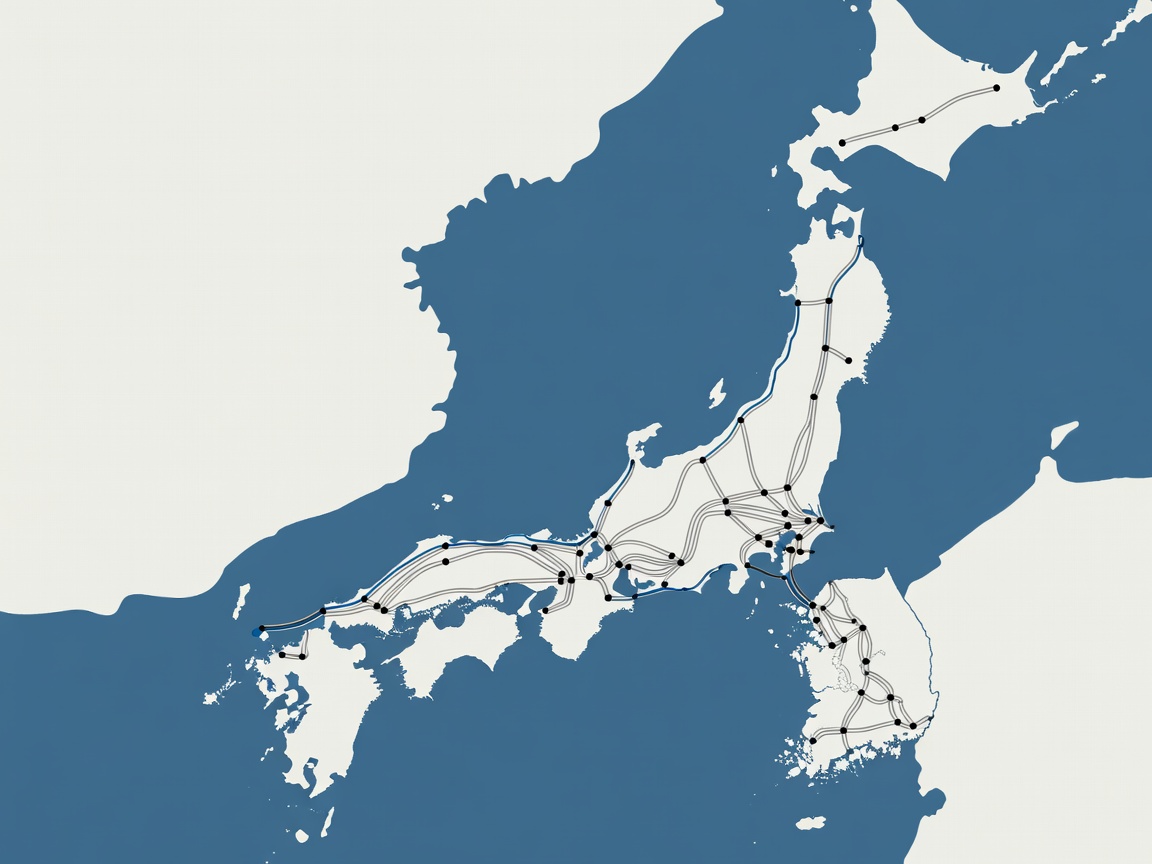
Choose the crossing
Air travel connects the main Japanese and South Korean gateways and gives the broadest choice of origin and destination airports. Ferry services can connect places such as Fukuoka and Busan, but schedules, port transfers and border procedures need checking directly with the operator. A ferry is a route choice with its own timetable, not a guaranteed shortcut.
For a simple first itinerary, consider whether the trip begins in Tokyo or Osaka and whether it ends in Seoul or Busan. A one-way international flight can avoid returning to the starting city. Open-jaw planning is useful when the transport price and baggage rules make sense.
Japan first or Korea first?
There is no universal answer. Japan first can work when Tokyo or Kyoto is the main focus and the international crossing follows a domestic rail sequence. Korea first may suit travellers who want to finish in Seoul or Busan, or who find a better flight pattern that way.
Consider arrival fatigue, airport distance and check-in times. A late landing should not be followed by a complicated intercity move. Place the first night near the arrival airport or a simple rail connection if the transport day is unavoidable.
Rail in Japan
Japan’s intercity rail network makes Tokyo, Kyoto, Osaka, Hiroshima and other cities easy to combine, but a pass is not automatically the best value. Compare the individual journeys, seat reservations, luggage needs and flexibility. The official railway operator is the right source for current timetables, fares and service notices.
Kyoto and Osaka are close enough to combine from one base for some itineraries, while a separate hotel can reduce repeated travel if the schedule is split. Large stations require navigation time. Add margin for finding platforms, collecting luggage and walking from the station to the hotel.
Getting around Korea
Seoul and Busan connect by high-speed rail, with different stations and local transport patterns in each city. Seoul’s metro is extensive but the station entrance nearest your hotel may not be the most convenient one. Busan’s coastal districts spread along the shoreline, so a map distance can hide a slow cross-city journey.
Use official railway and city transport information for current service details. Keep the hotel address in Korean as well as English. This helps with taxis, luggage delivery and station assistance.
Border and baggage planning
Passport validity, entry permission, customs rules and arrival procedures depend on nationality and can change. Check the relevant government and immigration websites before booking and again before departure. Do not treat an old forum post as a current border rule.
Pack for transfers. A compact bag reduces station stairs and makes ferry or airport movement easier. If using luggage forwarding in Japan, confirm eligible routes, collection times and delivery windows with the provider. Keep medicines, documents and one change of clothes in cabin baggage according to the applicable rules.
Make the plan resilient
Give every international transfer a buffer before a non-refundable reservation. Avoid placing the most important restaurant booking immediately after a flight or ferry. Group nearby sights and meals on the same day, and leave one uncommitted block in each city. A route is stronger when one delay does not erase the rest of it.