Guide 02 / Tokyo
How to choose Tokyo dining
Tokyo dining is organised by neighbourhood, format and booking habits. A good plan separates the meal you need to reserve from the meal you can find between train stops.
Start with the meal format
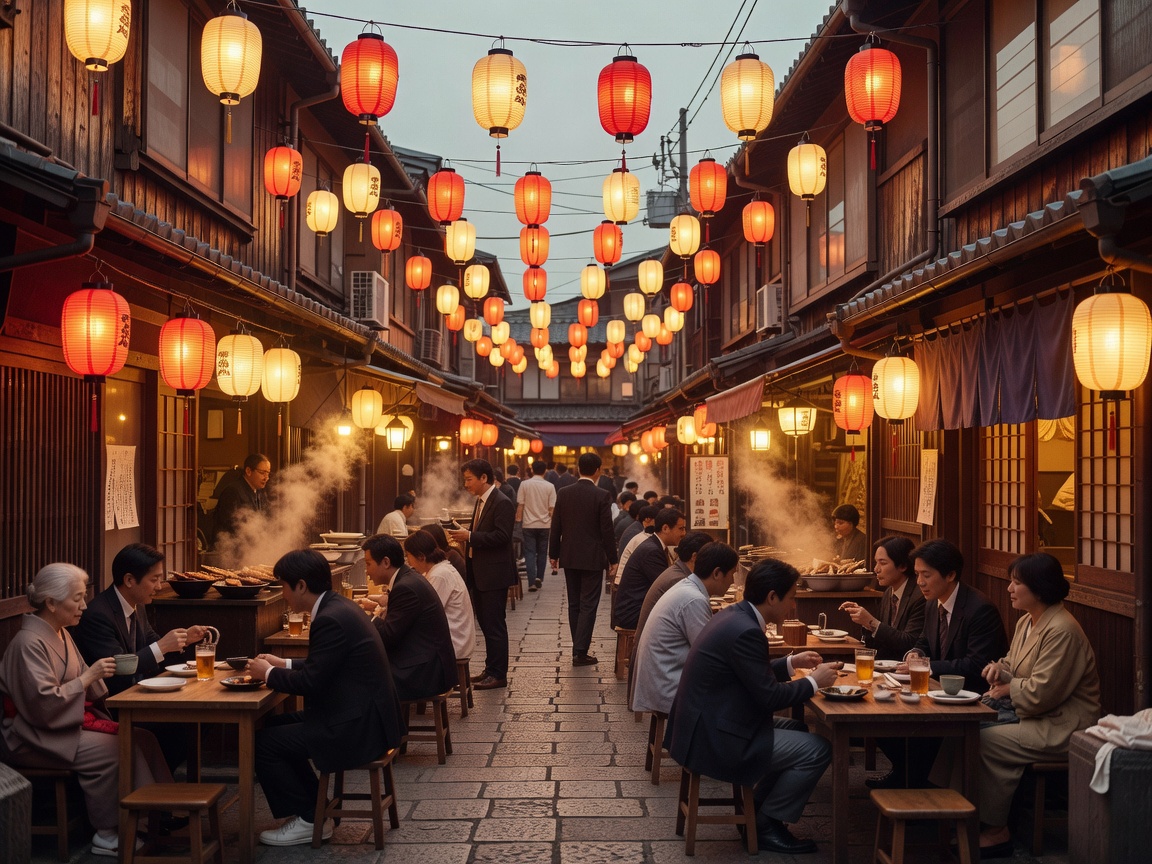
Sushi counters, kaiseki restaurants, ramen shops, izakaya and depachika food halls solve different dining problems. Sushi and kaiseki may involve fixed menus, limited seating and advance reservations. Ramen is often faster and more casual, but queues and vending-machine ordering are common. Izakaya dining is built around shared dishes and drinks, while a depachika offers prepared food for a hotel room or picnic rather than a seated restaurant meal.
Do not treat “Japanese food” as one category. Decide whether the priority is a focused tasting menu, a quick bowl, regional cooking or a flexible group meal. That decision narrows the search more effectively than a generic list of famous districts.
Neighbourhood logic
Shinjuku offers dense choice, from tiny counters to department-store restaurants. It is convenient for variety but can be confusing around the station’s many exits. Shibuya has a younger, faster-changing restaurant scene and works well for groups who want several options nearby. Ginza is associated with polished dining and department-store food floors, while Asakusa gives easier access to older streets and classic casual dishes.
Tsukiji’s outer-market streets are useful for seafood snacks and breakfast-oriented eating, but the market is not a universal substitute for a booked sushi restaurant. Toyosu is a working wholesale market complex with different access and visitor arrangements. Check the current rules before treating either place as a spontaneous morning stop.
Reservations and etiquette
Use the restaurant’s official booking channel where possible. Some venues accept only Japanese-language reservations, require a card guarantee or release tables at a particular time. A concierge or booking service can help, but confirm the cancellation policy and total cost. Be punctual: at a small counter, one late arrival can affect the whole service.
At an izakaya, ordering several dishes for the table is normal. At ramen shops, seats may turn quickly and customisation options can be displayed on a ticket machine. At sushi counters, ask before adding substitutions. Dietary restrictions should be communicated clearly in advance; a translation app can help explain ingredients, but it cannot guarantee that a kitchen can accommodate every requirement.
Price without false precision
Menus and booking platforms are the best source for current prices. The broad pattern is more useful than a fixed figure: lunch is often less expensive than dinner, department-store restaurants cover a wide range, and tasting menus can carry service or seating rules. Look for whether tax, service, drinks and cover charges are included.
A practical daily pattern
Reserve one anchor meal, then leave the other meals flexible. Breakfast near the hotel avoids an unnecessary cross-city trip. Lunch can suit a market, noodle shop or department-store floor. Dinner deserves the most planning when the restaurant is small or the menu is fixed. Keep one nearby alternative in mind, especially around major stations where queues can change the evening’s shape.