Guide 03 / Seoul
Where to stay in Seoul
Seoul’s districts have distinct day-to-night patterns. Choose a base by the places you will return to, not by a city-wide label.
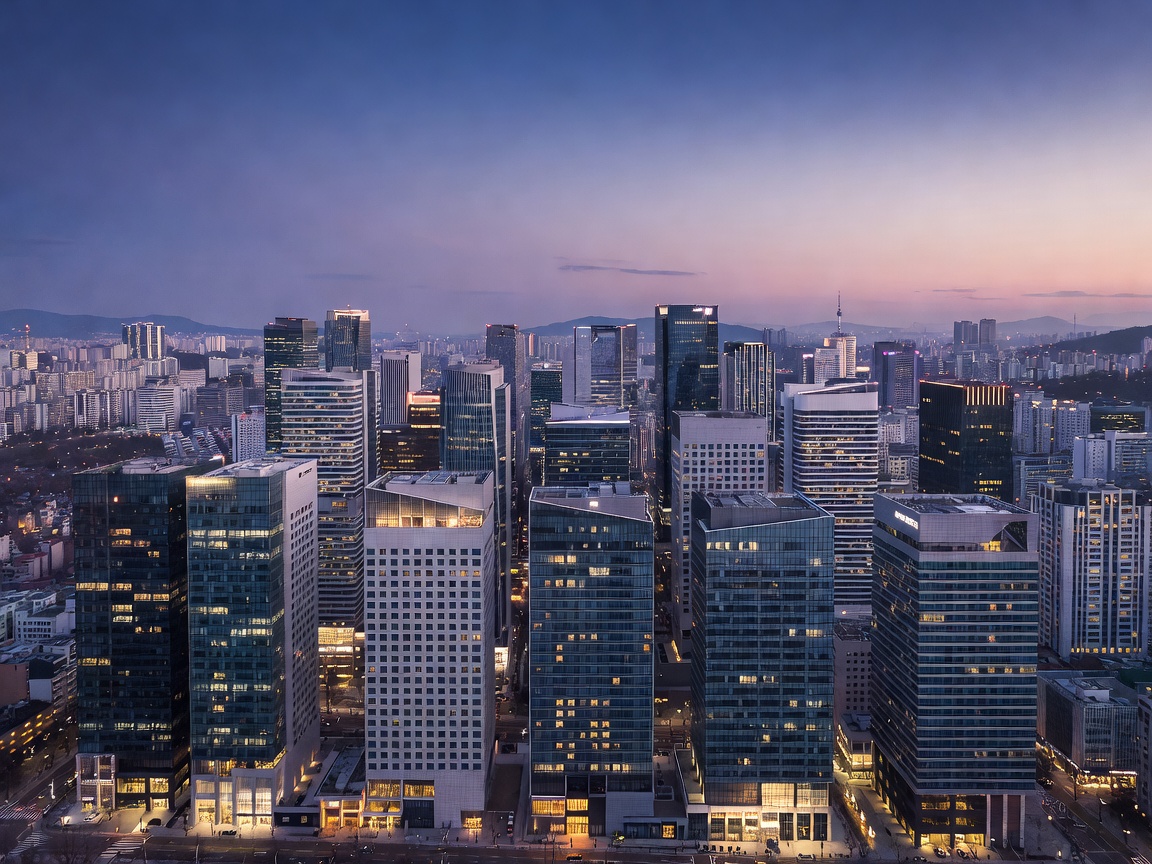
Myeongdong
Myeongdong is central, busy and practical for first-time sightseeing. It sits close to shopping streets, Namsan access and major transport connections. Hotels range from compact business properties to large international buildings. The district suits travellers who want a straightforward base with plenty of food and convenience shops nearby.
The trade-off is atmosphere. Commercial streets can be crowded and lively, while some side streets become much quieter. Inspect the exact block, not just the district name. A room facing a busy road may feel very different from one on a side street.
Jongno and Insadong
Jongno places palaces, Bukchon, Insadong and older central neighbourhoods within easier reach. It is a strong choice for travellers interested in Seoul’s historic fabric, museums and traditional markets. Some streets are hilly or narrow, and older buildings may have smaller lifts or more complex access.
Stay here when your days begin around Gyeongbokgung, Changdeokgung or Jongmyo. It is less useful if most evenings are planned in Gangnam. The benefit is a clearer connection to central history; the cost is a longer cross-river journey for southern districts.
Gangnam
Gangnam works for business trips, Apgujeong and Cheongdam dining, COEX events and southern Seoul routes. Hotels often include larger modern properties and full-service facilities. The district is not one compact village: check the nearest station and the walking route, since wide roads and large blocks can make short map distances feel longer.
It is a poor fit for a schedule centred on northern palaces unless you value the hotel enough to accept repeated transfers. For a split stay, Gangnam can make sense after a central Seoul base.
Hongdae and Mapo
Hongdae is useful for independent shops, music venues, cafes and late activity. Mapo also connects well toward Seoul Station and the western side of the city. The mood is younger and more energetic than Jongno, with more evening noise in some streets.
Read the room and building information closely. Some properties use compact rooms or self-service systems, while others provide conventional hotel service. This district works well when nightlife and casual dining matter more than immediate access to palaces.
Hotel types and practical checks
Seoul offers global chains, Korean business hotels, serviced residences, guesthouses and design-led small properties. Compare mattress size, bathroom layout, luggage space, lift access and reception hours. Serviced residences may provide kitchen facilities but can have different cleaning schedules. Guesthouses can be social and economical, but privacy and sound insulation vary.
Make the final choice
Mark your fixed activities on a map and estimate the first and last journey of each day. Confirm whether the hotel is near a subway entrance rather than merely near a station. For airport transfers, compare rail, bus and taxi access at the actual address. Current operating details belong to the hotel, airport and transport operator, so check them before departure.